Breaks can concentrate demand
A campus plan should account for the rhythm of school life without inventing a fixed user parameter.
Scenario solution · School
A school solution considers class schedules, break-time concentration, multiple areas, water temperature needs, installation conditions and the staff who manage daily operation.
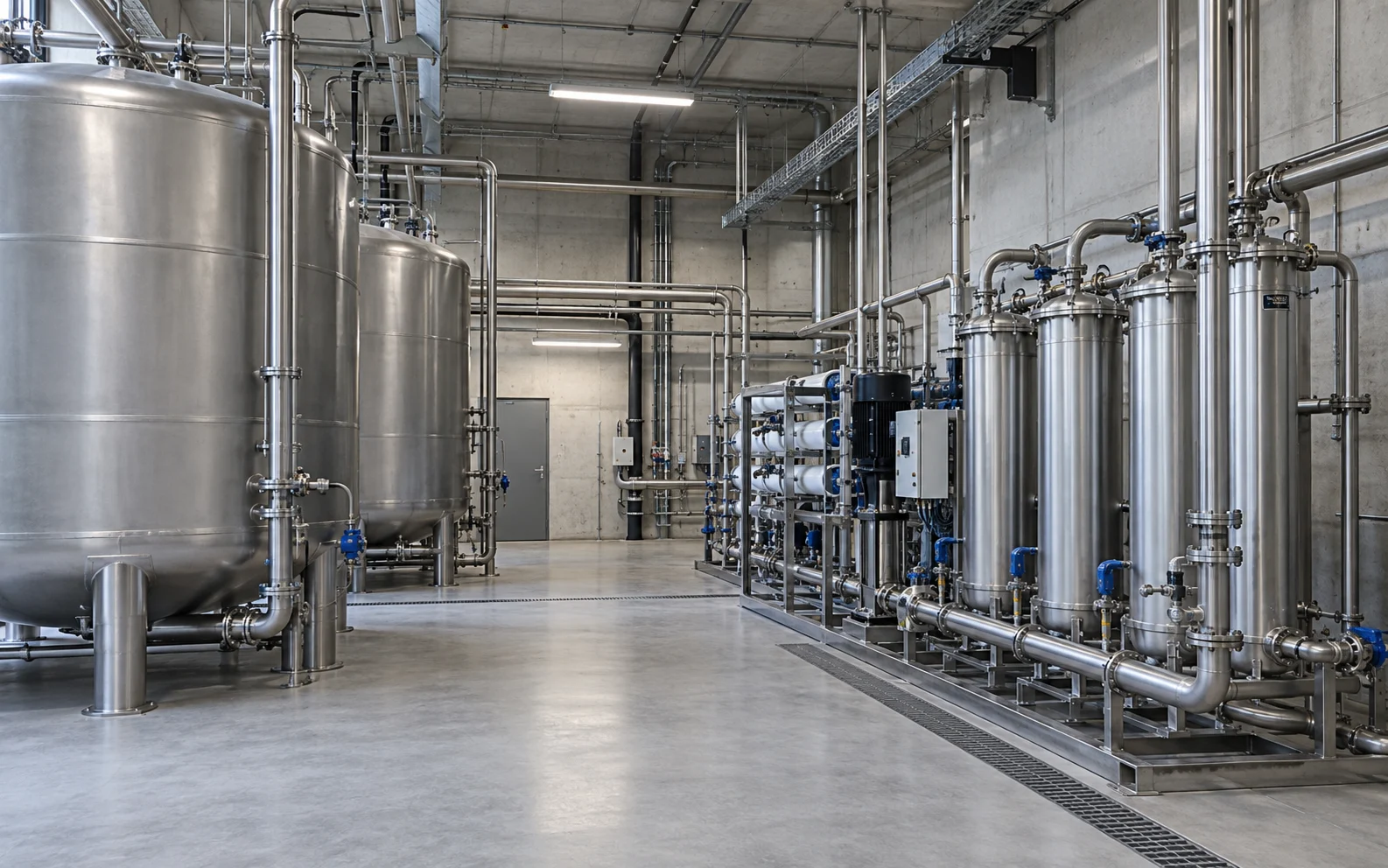
01 — Scenario pressures
A campus plan should account for the rhythm of school life without inventing a fixed user parameter.
Teaching buildings, staff areas and shared spaces can have different needs.
Placement, operation, cleaning, filters and service should fit the school’s working model.
02 — People and water-use profile
Review campus patterns and conditions at the site level.
Class schedule, break periods and the distribution of drinking locations
Whether students and staff need ambient, warm or hot water at each point
Building layout, supervision, source water, power, drainage and maintenance access
03 — Recommended direction
Start from buildings, traffic patterns and drinking-time concentration.
Compare individual equipment with a planned central route where appropriate.
Build installation, filters, support and handover into the solution.
04 — System composition
Understand conditions before setting a purification direction.
Discuss RO or UF only where the site requirement supports it.
Align water options with the user group and campus routine.
Place access across the campus rather than treating every point identically.
Coordinate service with the team responsible for the site.
05 — Product-category direction
These links lead to existing product categories; no SKU is presumed or invented.
06 — Installation conditions
Confirm water, power, drainage, placement and routes before arranging work.
Locate drinking points around safe access and the school’s management practice.
Leave workable access for filters, checks and repair support.
07 — Service capability
Confirm water, power, drainage, access and the boundary of any additional site work before delivery.
02Keep filter supply and routine care connected to water conditions, use and the selected configuration.
03Connect parts, technical judgement and repair coordination to the equipment after handover.
Related knowledge
08 — FAQ
Assess building layout, routines, peak times, water options, supervision and site utilities; no universal quantity is assumed.
It is an option to assess when multiple drinking points and the campus layout support a coordinated delivery route.
Yes. Student and staff areas can be planned around their actual use while remaining part of one operating plan.
09 — Project inquiry
Share the setting, drinking points, use pattern and known water, power and drainage conditions so the next step starts from facts.